What is Shoring in Construction? A Complete Guide
As the construction sites are booming in all directions in the UAE, from the waterfront towers in Dubai to the depth reality of infrastructure projects in Abu Dhabi, safety of excavation is not only good practice but it is mandatory. That is where shoring is involved. When you are running a project that requires excavation around roads, buildings or deep foundations, there is no option on how and when a shoring system should be used, it is simply part of the groundwork.
However, shoring does not fit all. Local contractors have a difficult time as a result of the soft sand, high water tables, and rules that are adhered to by authorities such as the Dubai Municipality and the Abu Dhabi DMT.
This set of guidelines is dedicated to the most relevant areas of shoring practice within the UAE construction industry including its significance in providing safety on site as well as important factors that should be taken into consideration before installation process starts.
What is Shoring in Construction?
Shoring in construction generally means to help prop the structure or the excavation to avoid cave-in and movement of soil or earth. It is generally applied during shoring excavation when deep excavations are made, which may cause structural instability of neighboring buildings or to underground pipelines.
Shoring meaning is easy, the temporary or permanent support structures used to keep soil, buildings, or trench areas secure in place during construction.
What is shoring in excavation? In case you are wondering then this in simple terms is the stabilization of walls or sides of a trench or even a pit to prevent the collapse of soil when one is digging.
Types of Shoring Systems Used in the UAE
It is not a one size fits all when it comes to shoring. Selection of the appropriate method will be dictated by the nature of the site, nature of soil, depth of excavation and vicinity of any other structure. Most frequently used types of shoring in the UAE are shown below:
1. Soldier Pile Shoring
H-steel beams (soldier piles) are driven into the ground vertically, with timber or precast concrete lagging between them. Ideal for dry soil and tight city excavations.
2. Contiguous Pile Shoring
A series of shoring piles placed close together to form a retaining wall. Popular in commercial basement construction across Dubai and Abu Dhabi.
3. Secant Piles Shoring
Overlapping piles form a strong, watertight barrier. Best for sites with groundwater issues or unstable soil.
4. Sheet Pile Shoring
Thin steel sheets are driven into the ground to retain earth. Often used in trench shoring systems or temporary excavations.
5. Trench Sheet Shoring
Light-duty steel sheets used for shallow utility trenches, pipelines, or service connections.
6. Hydraulic or Mechanical Shoring
Prefabricated systems using hydraulic pistons or braces. Fast to install, especially for small trenches or quick excavation jobs.
Why Shoring is Important in UAE Construction Projects
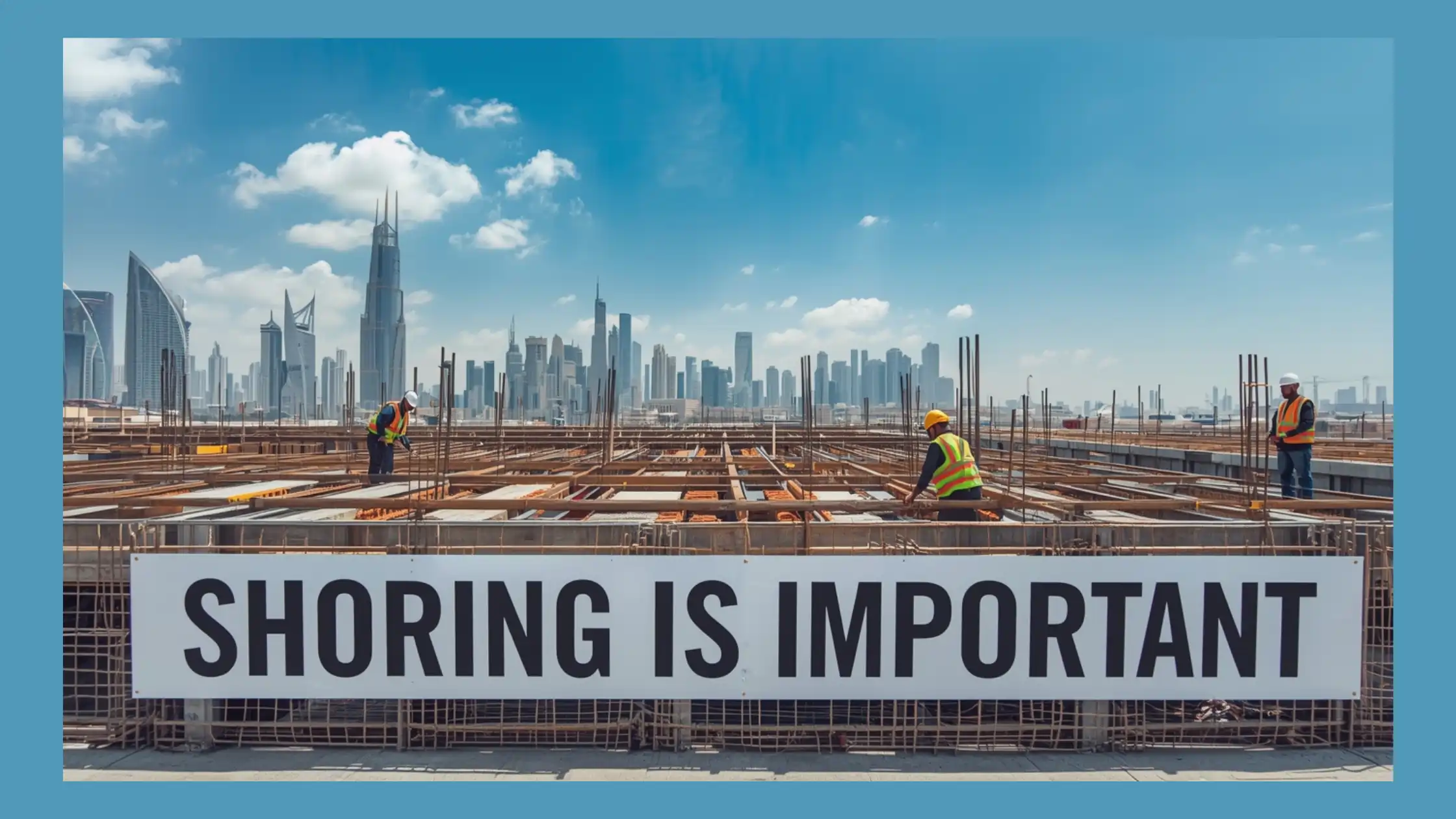
The UAE’s construction landscape presents unique challenges that make shoring work an essential part of any excavation. Whether it’s dense city builds in Dubai or expansive infrastructure projects in Sharjah, construction is crucial with help of the best shoring company. The presence of loose sandy soil significantly raises the risk of wall collapse during excavation. Additionally, the growing demand for deep basement foundations, especially in urban zones with limited space, increases the need for reliable shoring systems.
Another common challenge is the high water table found in coastal areas like Dubai Marina, which can compromise soil stability. On top of that, strict safety regulations imposed by authorities such as the Dubai Municipality and Abu Dhabi DMT often require approved shoring methods for deep or high-risk excavations. Neglecting these requirements not only leads to safety violations but can also cause project delays or even serious site accidents.
How the Shoring Process Works (Step-by-Step)
Here’s what typically happens during a shoring project in the UAE:
- Site inspection & soil test – Determines depth, water presence, and risks.
- Engineering design – Experts plan the correct shoring method and layout.
- Permit approval – Especially required in Dubai and Abu Dhabi municipalities.
- Shoring installation – Piles, sheets, or hydraulic shores are installed.
- Excavation begins – Now done safely within a supported structure.
- Monitoring – Ensures compliance and safety throughout the project.
In many city-center projects, formwork shoring may also be used to support slabs and beams during concrete curing.
Important Considerations for Shoring Installation
Successful shoring installation requires more than just the right system. Key factors to consider include:
- Soil condition: Loose or waterlogged soils require different shoring methods than dry, compact ground.
- Depth of excavation: Deeper sites need stronger or more permanent support.
- Proximity to existing structures: Urban sites may require systems like secant piles shoring for added safety.
- Access space: Limited access may prevent use of large equipment or sheets.
- Groundwater levels: High water tables demand watertight shoring systems.
Addressing these factors early can prevent structural failure, legal issues, or expensive redesigns during construction.
Material Usage in Shoring
The performance and durability of any shoring system depend heavily on the materials used. Common materials include:
- Steel: Widely used in sheet pile shoring, soldier piles, and trench sheet shoring for its strength and reusability.
- Concrete: Especially in contiguous or secant pile systems. Offers long-term stability and load resistance.
- Timber: Sometimes used as lagging in soldier pile systems or temporary bracing in lighter jobs.
- Aluminum or composite: Used in hydraulic shores for small to mid-scale trenching.
Material selection depends on excavation depth, load capacity, moisture levels, and whether the system is temporary or permanent.
What Does Shoring Cost in the UAE?
The cost of piling and shoring in the UAE can vary significantly depending on several key factors. These include the depth of excavation, the shoring method chosen such as sheet pile shoring or secant piles shoring and the specific soil and water conditions at the site. Additionally, the project location, whether in Dubai, Sharjah, or Abu Dhabi, can influence logistics and pricing.
Generally, sheet pile shoring tends to be more cost-effective for shallow excavations, while secant piles shoring is typically more expensive due to its advanced drilling techniques and higher material requirements. To obtain an accurate and realistic estimate, it is always recommended to arrange a professional site visit, as it allows for tailored cost evaluation based on on-ground conditions.
Shoring Requirements & Safety Standards in the UAE
In the UAE, construction regulations mandate the use of shoring under specific site conditions to ensure public and worker safety. Shoring is required for excavations deeper than 1.5 meters, especially in locations close to existing buildings, roadways, or public spaces where the risk of collapse or ground movement is higher.
Additionally, areas with soft soil or groundwater risks demand extra precaution through appropriate shoring systems. Regulatory bodies such as the Dubai Municipality and Abu Dhabi Department of Municipalities and Transport (DMT) have clear guidelines that require approved design, proper installation procedures, and ongoing safety monitoring.
Strict documentation and compliance are essential to avoid project delays or penalties, making it crucial to work with qualified professionals familiar with local standards.
Where is Shoring Commonly Used in UAE Projects?
Shoring is used in a wide range of UAE-based projects, including:
- Residential basements in Jumeirah or Downtown Dubai
- Commercial high-rises with underground car parks
- Infrastructure trenching for DEWA, RTA, and telecoms
- Utility trenches in densely populated areas
From trench sheet shoring to complex pile systems, each site has its own needs.
Common Shoring Challenges in UAE Projects
Contractors working on shoring projects in the UAE often face several real-world challenges unique to the region. One common issue is groundwater seepage, especially in coastal zones, which can weaken excavation walls and complicate shoring work. In addition, the sand-heavy terrain in many parts of the UAE increases the risk of soil collapse, making proper shoring construction critical. Narrow access in city centers like Dubai or Abu Dhabi can restrict the use of heavy machinery, requiring customized shoring systems.
Furthermore, extreme heat can damage materials particularly in formwork shoring, leading to delays or safety concerns. Selecting an experienced team that understands local conditions and shoring methods can greatly reduce these risks and ensure project success.
Choosing the Right Shoring Contractor
Before awarding the job, make sure your contractor:
- Is registered with local authorities
- Has experience in shoring excavation and piling
- Offers design, installation, and inspection services
- Can handle approvals and documentation
The right shoring company in dubai ensures your project meets legal and safety standards without delays.
Conclusion
Understanding what shoring is in construction helps you plan safer, more efficient projects. Whether you’re excavating in Dubai or trenching in Sharjah, using the right shoring system is essential to prevent collapse, comply with UAE regulations, and protect your site.
At shoring.ae, we specialize in tailored shoring work for all project sizes from trench shoring systems to large scale piling and shoring solutions.
Need expert shoring for your next UAE project? Contact us today to schedule a site inspection or request a quote.
FAQs
Q1: What is shoring in excavation?
Shoring supports the sides of a trench or pit during digging to prevent collapse.
Q2: What are the types of shoring?
Common types include soldier piles, sheet piles, secant piles, trench sheets, and hydraulic systems.
Q3: What is the purpose of shoring?
To keep excavations safe, support surrounding structures, and prevent soil collapse.
Q4: When is shoring required in an excavation?
Always consider shoring if your project involves deep or unstable ground.